
Our Projects
Empowering Growth Across BRICS and Emerging Economies
BRICS Grants is committed to advancing inclusive economic development, innovation, and social impact across BRICS nations and partner countries. Over the years, we have supported a diverse portfolio of projects that strengthen entrepreneurship, fund non-profit initiatives, advance academic research, and uplift persons with disabilities.
Startup Support Project – India
Empowering First-Time Entrepreneurs In Maharashtra, India, BRICS Grants supported a group of first-generation entrepreneurs from semi-urban communities seeking to establish small manufacturing and service-based businesses. Funding was provided to cover equipment purchases, workspace setup, and initial operating expenses.
Education & Skills Development – Indonesia
Supporting Marginalized Communities
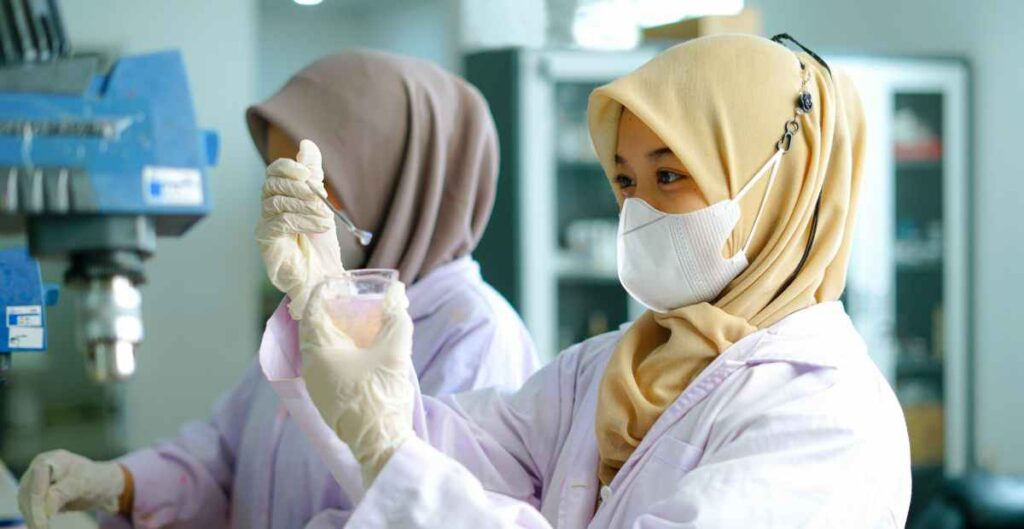
Disability Empowerment Project – India
Skills Training for Persons with Disabilities
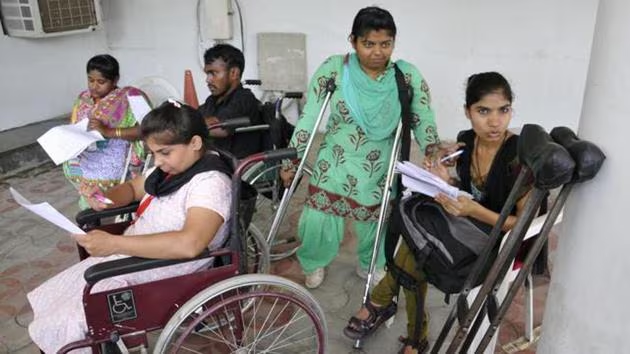
In Karnataka, India, BRICS Grants funded a disability inclusion project focused on vocational training for young adults with physical disabilities. The program provided adaptive equipment, skill development workshops, and job placement support.
Participants successfully transitioned into formal employment or self-employment, improving independence and social inclusion.
Impact:
Improved employment outcomes for persons with disabilities
Increased accessibility to training programs
Promoted inclusive economic participation
SME Innovation Support – UAE
Scaling Innovation-Driven Enterprises
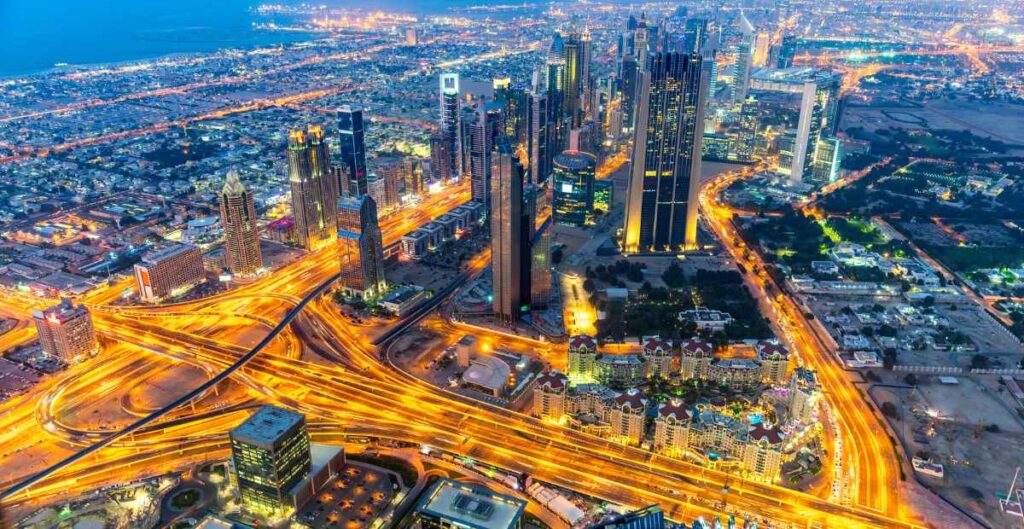
BRICS Grants provided early-stage funding to small enterprises in the UAE developing technology-driven solutions in logistics and sustainability. The grant supported prototype development and pilot testing.
Several supported businesses progressed to secure additional private investment.
Impact:
Accelerated innovation pipelines
Attracted follow-on investment
Strengthened SME ecosystems
Our Ongoing Commitment
These project scenarios reflect BRICS Grants’ commitment to funding initiatives that are practical, scalable, and impactful. Each project is designed to deliver long-term benefits while aligning with regional development priorities.
Brazil Smart Hospital Project
Brazil’s Unified Health System (Sistema Único de Saúde or SUS) is one of the largest public healthcare systems in the world. Despite achievements made since inception of SUS, there are challenges stemming from regional disparities, an aging population with growing healthcare needs, underinvestment and slow technological adoption hampered by a fragmented innovation ecosystem which inhibits adoption of scalable solutions. These challenges are especially pronounced in high-complexity care and in densely populated regions.
The Project entails the construction of a model smart public hospital, specializing in emergency medicine, intensive care and neurology. Successful implementation of this pilot project will allow replication of the model across the country. For the pilot, one of the oldest academic clinics in Brazil, the University of São Paulo’s Hospital das Clínicas, has been selected.
The São Paulo metropolitan area, home to over 20 million people, has only 2.1 hospital beds per 1,000 inhabitants as compared to the minimum recommended 2.5 beds, resulting in a shortfall of approximately 8,600 beds. The Project envisages a new 150,000 sq. m facility that will include 800 beds and 30 surgical rooms, host a national centre for translational research and integrate advanced medical technologies, telemedicine services and AI-based scheduling systems to optimise patient flow. The hospital will also be built according to international green standards.
The Project aims to improve access to high-complexity healthcare and strengthen Brazil’s capacity to deliver efficient, technology-enabled public health services which aligns with its National Health Plan 2024–27. The smart hospital’s outcomes will include treating up to 190,000 inpatients and 60,000 outpatients annually, reducing patients’ length of stay, waiting times and mortality rates, and cutting operational costs per bed.
Program for Upgrade of Infrastructure for Metropolitan Municipal Services in South Africa
South Africa’s eight metropolitan municipalities (Buffalo City, City of Cape Town, City of Ekurhuleni, City of Johannesburg, City of Tshwane, eThekwini, Mangaung and Nelson Mandela Bay) (“Metros”) play a critical role in driving the country’s socio-economic development. However, these urban centers face mounting challenges posed by high levels of non-revenue water, ageing electricity networks prone to outages and non-compliant waste treatment sites.
The Program seeks to reverse the declining trend in the delivery of essential urban services of water supply and sanitation, electricity distribution, and solid waste management (collectively also referred to as “trading services”) across the Metros.
Magalies Bulk Water Supply Scheme Project (South Africa)
Seven local municipalities in North West and Limpopo provinces (Moretele, Bela-Bela, Modimolle-Mookgophong, Mogalakwena, Rustenburg, Mose Kotane, and Thabazimbi) are severely affected by water shortages with the water demand currently outstripping the supply by more than 1.6 times.
The proposed Magalies Bulk Water Supply Scheme Project (the “Project”) is a critical response to address the above challenge. By extending pipeline networks, enhancing the capacity of existing pipelines, and expanding water treatment facilities, the Project will ensure reliable and sustainable access to drinking water, bridge the supply gap and cater for future demand growth.
The Project comprises the following key components:
- Component 1 – Moretele North Klipvoor Bulk Water Supply Scheme: installation of water supply facilities, including Klipvoor Water Treatment Plant (“WTP”) and ground water development, construction of bulk water pipelines, construction of water storage facilities.
- Component 2 – Pilanesberg Bulk Water Supply Scheme (Phase 2): construction of new bulk water pipelines, replacement of the existing bulk water pipelines, construction of water storage facilities, increase of capacity of Vaalkop WTP.